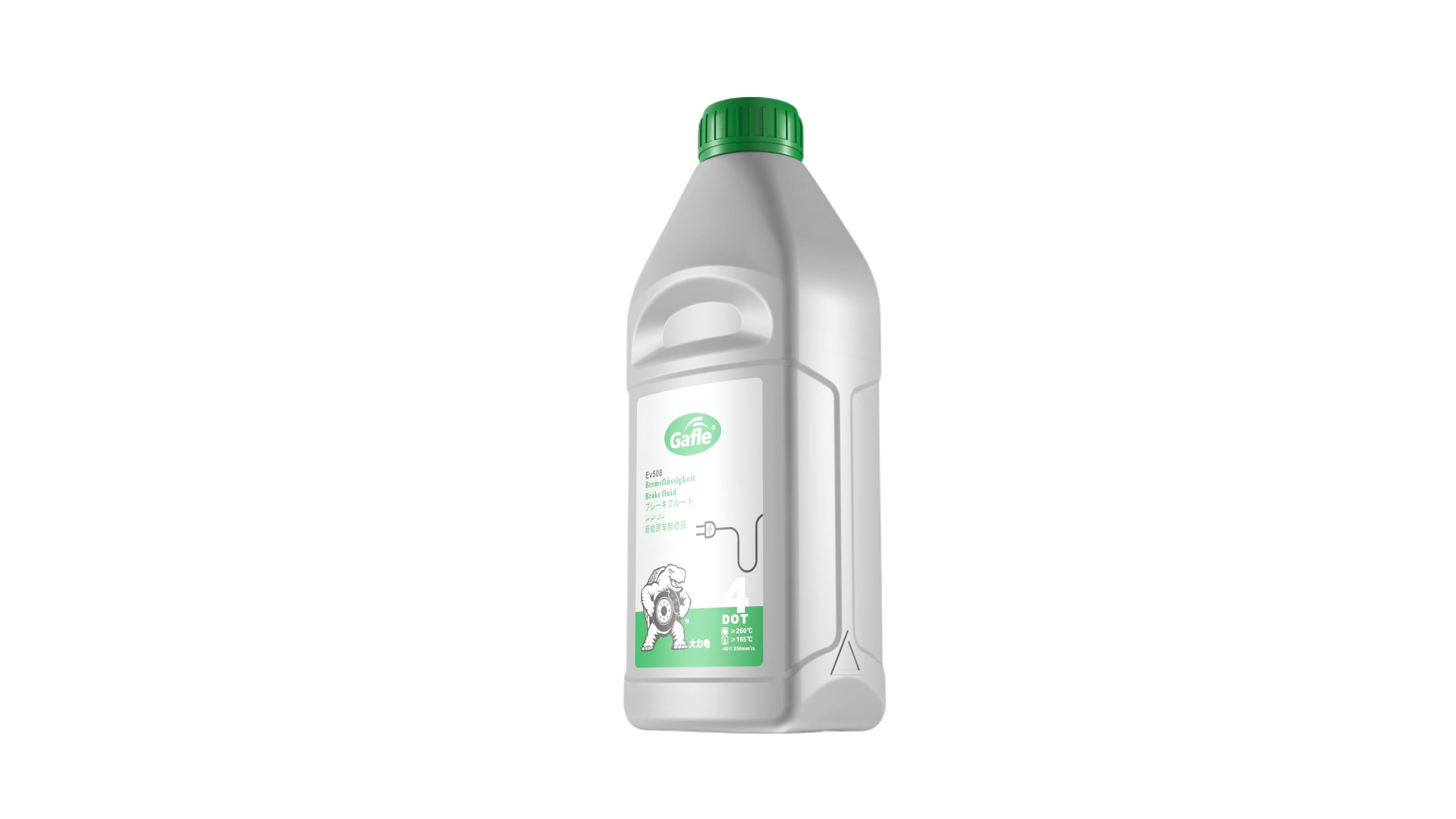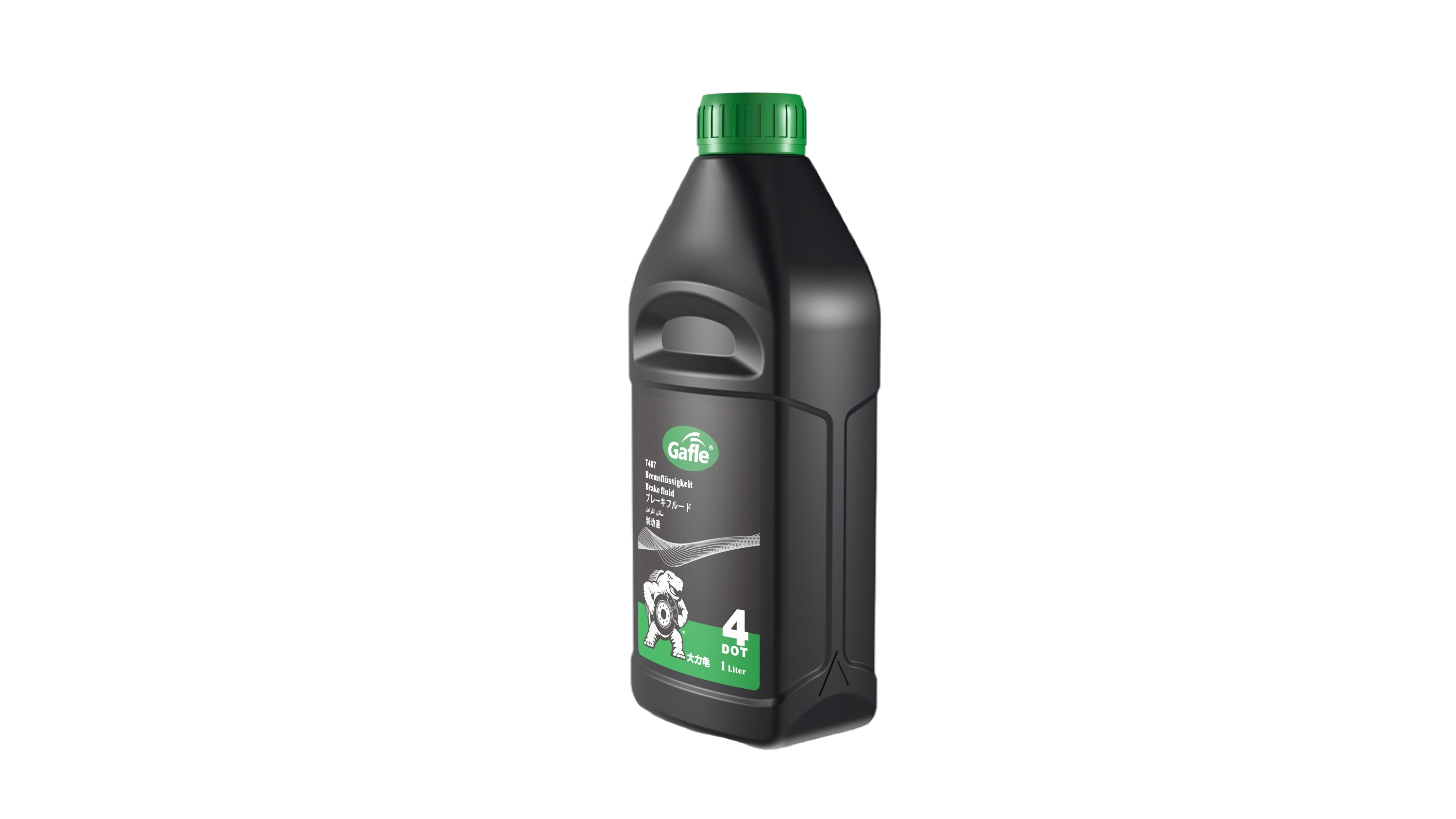
When choosing brake fluid, many vehicle owners and maintenance professionals are faced with a common question: should they use DOT 3 or DOT 4 brake fluid? While both are widely used glycol-based fluids, their performance characteristics and application scenarios differ in important ways.
DOT 3 brake fluid is commonly used in everyday passenger vehicles. It provides reliable braking performance under normal driving conditions and meets standard boiling point requirements defined by FMVSS No.116. For vehicles primarily used for city commuting and highway driving, DOT 3 offers a cost-effective and dependable solution.
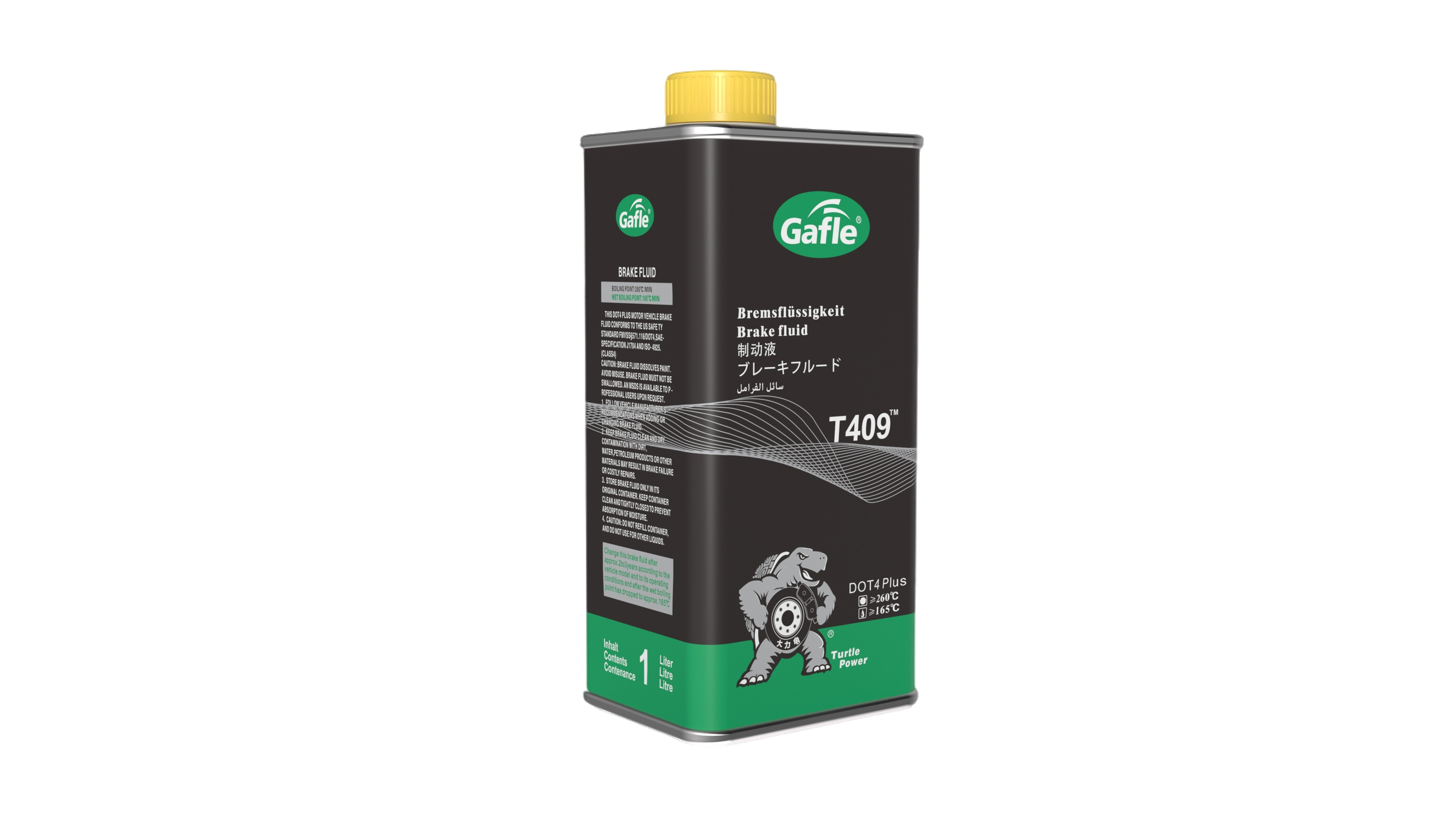
DOT 4 brake fluid, on the other hand, is designed for higher-performance requirements. It features higher dry and wet boiling points compared to DOT 3, making it more resistant to heat buildup during frequent or heavy braking. This makes DOT 4 particularly suitable for modern vehicles, SUVs, light commercial vehicles, and cars that operate under more demanding conditions such as mountainous terrain or long-distance driving.
Both DOT 3 and DOT 4 brake fluids are hygroscopic, meaning they absorb moisture over time. However, because DOT 4 is often used in higher-temperature environments, maintaining proper replacement intervals becomes even more important to preserve braking performance and safety.
It is essential to always follow the vehicle manufacturer’s recommendations when selecting brake fluid. Using a higher specification fluid like DOT 4 in a system designed for DOT 3 is generally acceptable, but downgrading is not advised. Proper selection and maintenance ensure consistent brake response, system protection, and long-term reliability.