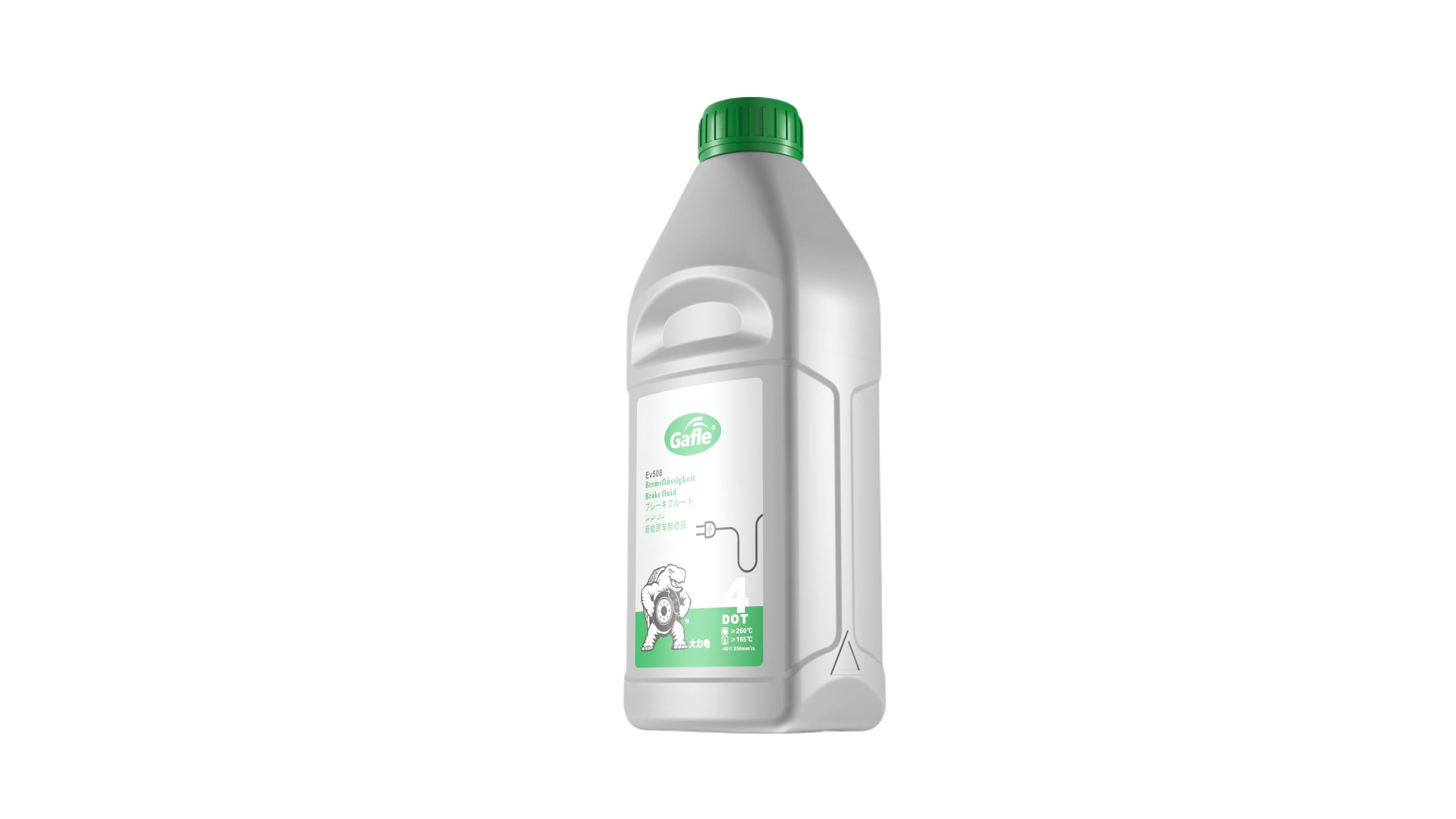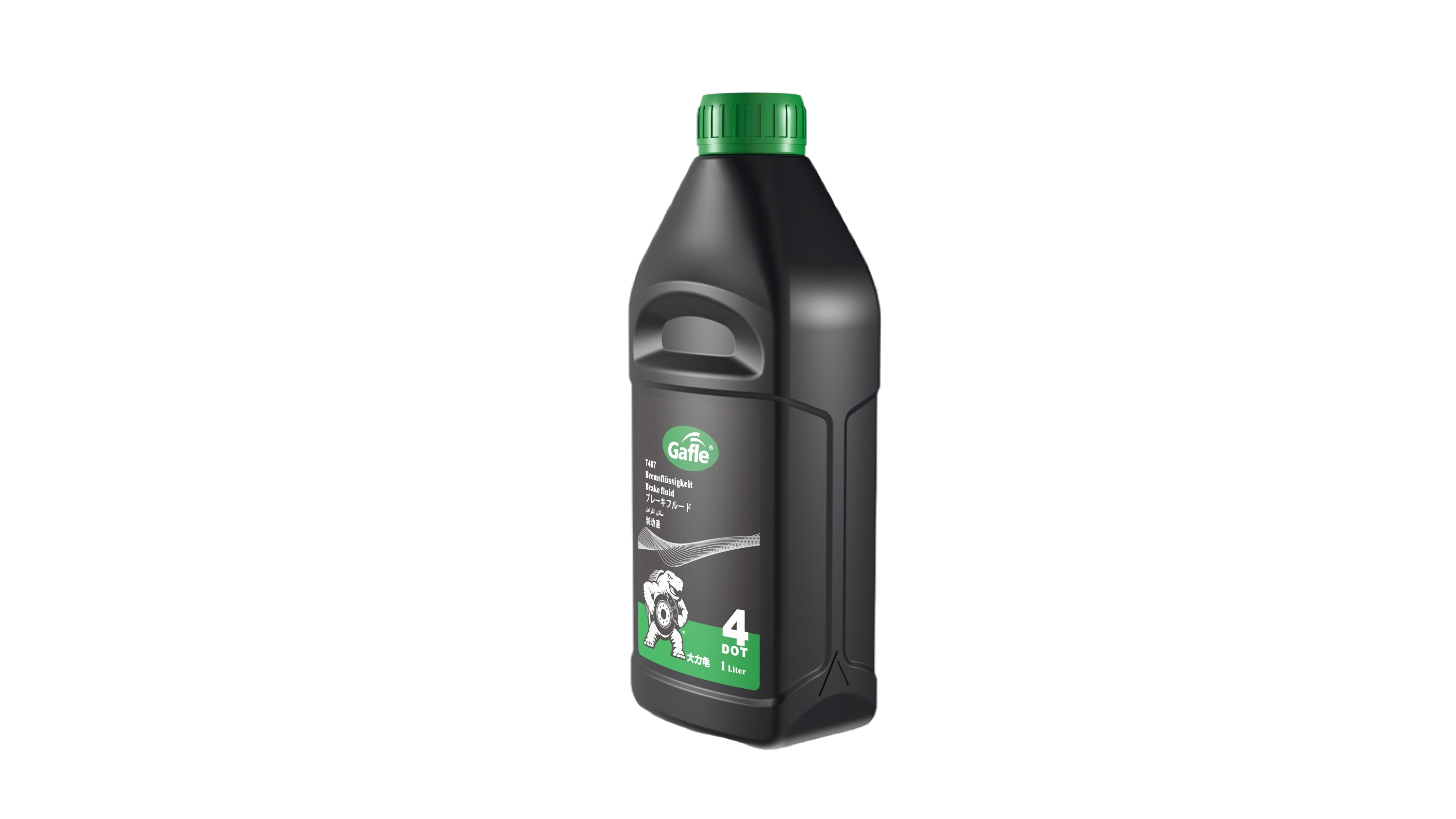
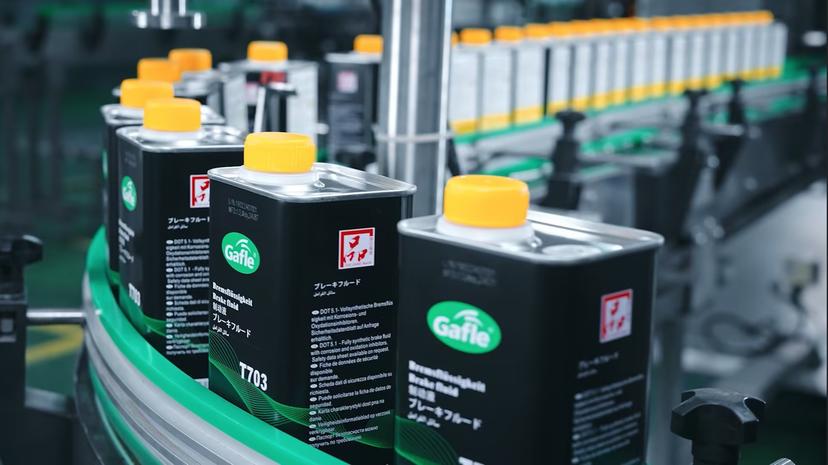
Brake fluid is a critical component of a vehicle’s braking system, yet it is often overlooked during regular maintenance. Unlike engine oil or coolant, brake fluid works within a sealed hydraulic system, transferring the force applied on the brake pedal directly to the brake calipers or wheel cylinders. Without properly functioning brake fluid, even the most advanced braking systems cannot operate safely or efficiently.
One of the most important characteristics of brake fluid is its boiling point. During braking, especially in heavy traffic, downhill driving, or emergency situations, braking systems generate significant heat. If the brake fluid boils, vapor bubbles can form inside the hydraulic system, leading to a spongy pedal or even temporary brake failure. This phenomenon, known as vapor lock, is one of the main reasons manufacturers specify minimum boiling point standards such as DOT 3 and DOT 4.
Brake fluid also plays a protective role inside the braking system. Quality brake fluid contains corrosion inhibitors that help prevent rust and oxidation in metal components such as master cylinders, brake lines, and calipers. At the same time, it must remain compatible with rubber seals and hoses to avoid swelling, hardening, or leakage over long-term use.
Another often overlooked factor is moisture absorption. Most glycol-based brake fluids are hygroscopic, meaning they absorb moisture from the air over time. This moisture lowers the boiling point and accelerates internal corrosion, which is why regular brake fluid replacement is recommended—even if the vehicle is not driven frequently.
In short, brake fluid is not just a consumable product but a safety-critical fluid. Choosing the correct type and maintaining it properly ensure